Conix
A GenAI platform for architects, started before anyone was calling it GenAI.
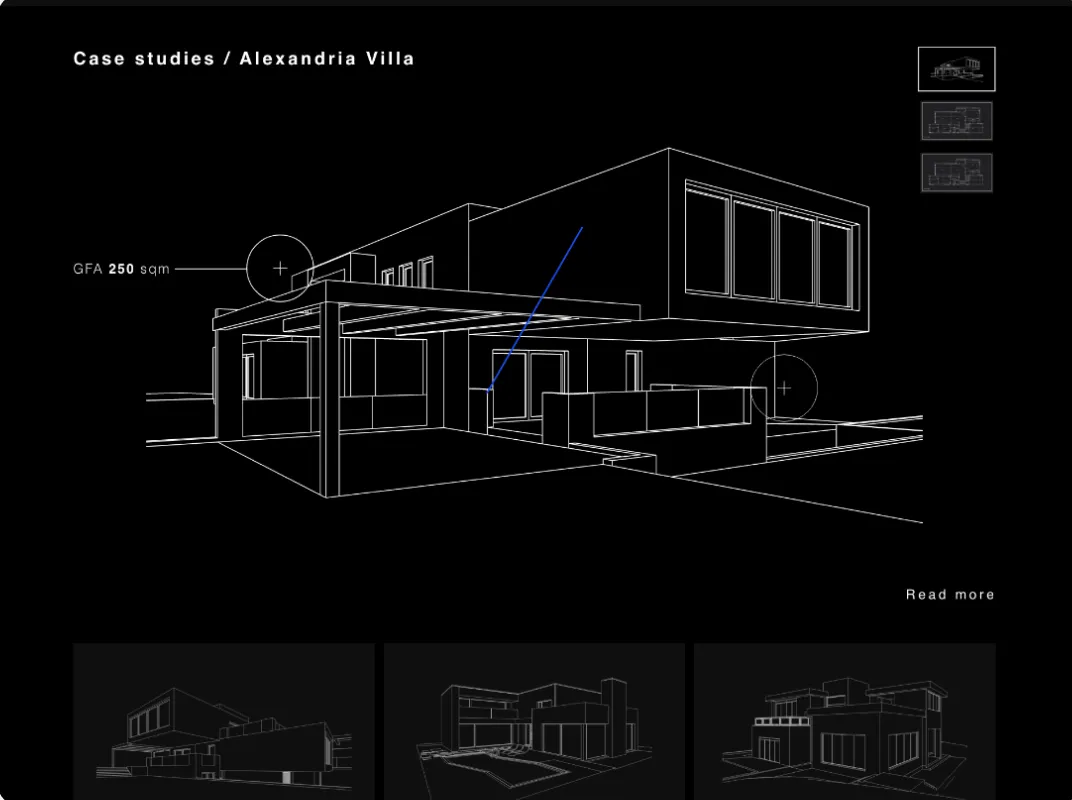
- Conix (co-founder / CPO)
- Co-founder, CPO
- 2020 — 2021
Context
Conix didn’t start as Conix. The product existed as Cloud AI-D — a generative-AI tool for early-stage architectural design, shipped as a prototype with traction problems. Usability issues, no clear product owner, a brand that read as generic SaaS, and a positioning that tried to span the entire architectural workflow rather than win a single part of it.
I came in through Simpleia, my product design studio, on what was scoped as a research engagement. The research clarified that the product didn’t need a redesign — it needed an end-to-end product owner. I joined as co-founder and CPO, drove the rebrand to Conix, and led product through the 0→1: research, strategy, naming, identity direction, MVP, and the pre-seed raise.
The bet — once the research was in — was straightforward: the first two weeks of any architectural project are spent producing massing studies, program allocations, and feasibility models. A generative system could compress that work, but only if the interaction was designed for the way architects actually decide. We started in 2020, well before ChatGPT, when generative AI in this context meant diffusion models and early transformers applied to geometry and spatial programming.
Research and discovery
Simpleia ran a structured research engagement covering four streams: a heuristics evaluation of the existing Cloud AI-D product, a competitor analysis across five tools (Archistar, Planner, finch3d, Marmot, Magnetizing Floor Plan Generator), eight semi-structured interviews with architects across real estate developers, design consultancies, and one international firm, and a thematic synthesis with VPC ranking and a full journey map.
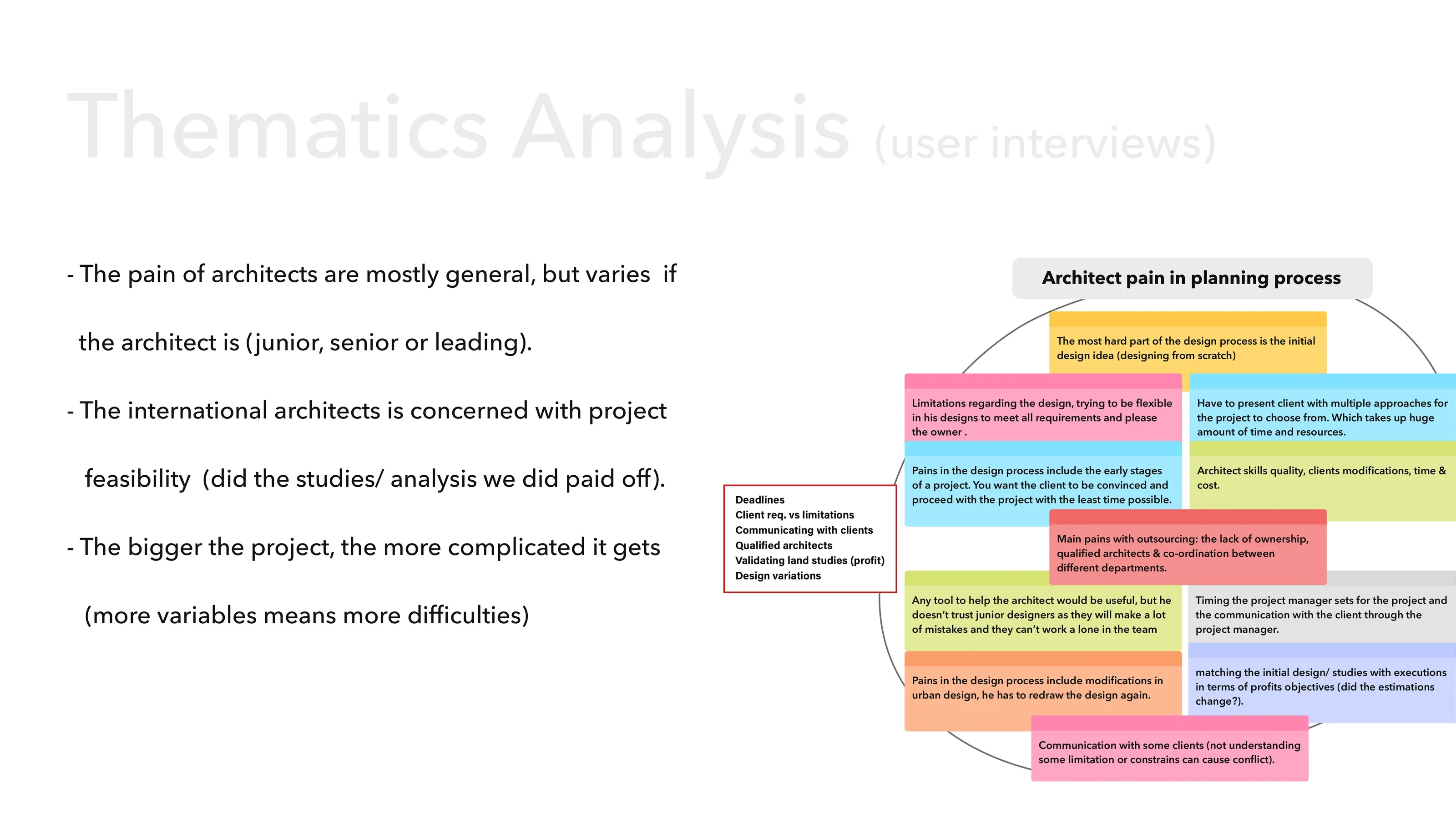
The interviews surfaced six pain clusters, not a single dominant one. Generation — starting concepts from scratch — was the most-cited pain. Constraints, where variables compound on bigger projects, was second. Modifications, communication with non-technical clients, outsourcing coordination, and incompatible-tool friction filled out the picture. The honest finding was that architects suffer at multiple points in their workflow, and any tool that tried to fix all of them would fix none.
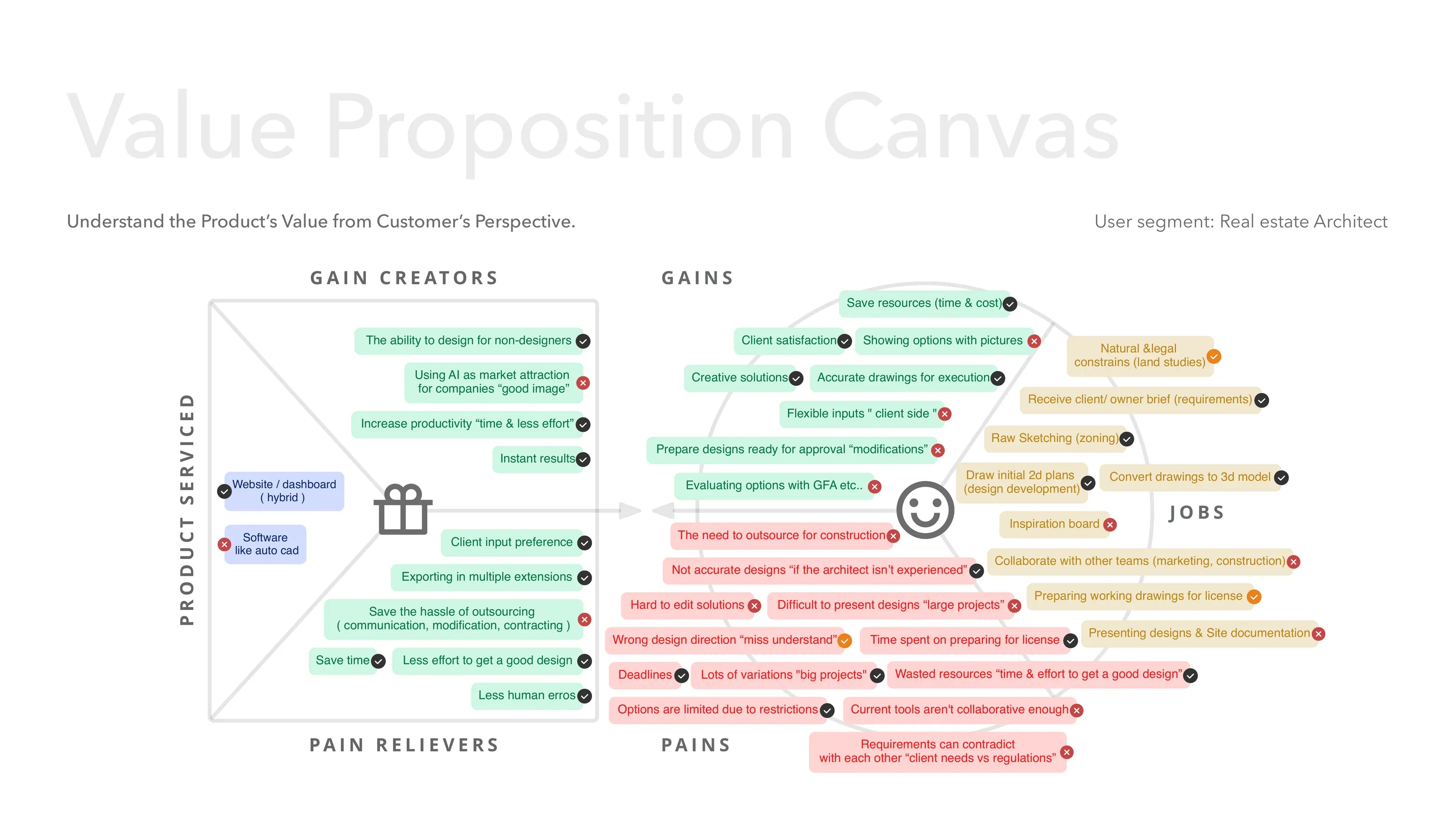
The Value Proposition Canvas ranking added precision to the pain clusters by separating jobs, gains, and pains and weighting each by interview frequency.
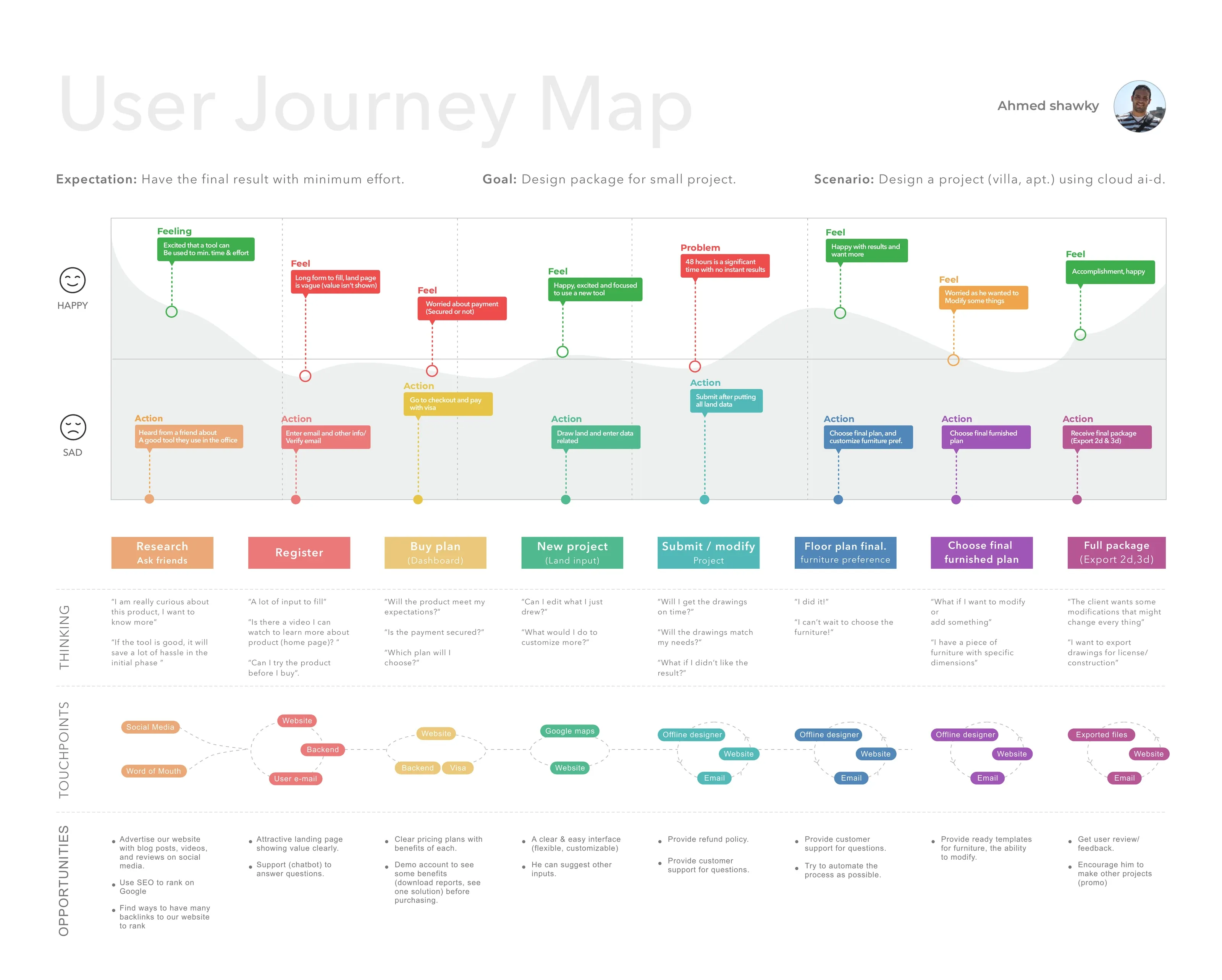
The journey map traced the user’s path through Cloud AI-D end to end — from first hearing about the product through registration, project setup, submission, and final export. Eight stages, each annotated with emotional tone, touchpoints, and opportunity gaps. The map made the friction visible: a long input form upfront, a 48-hour wait with no in-progress feedback, and limited modification once the design returned. Trust dropped where the product asked the most and gave back the least.
Approach
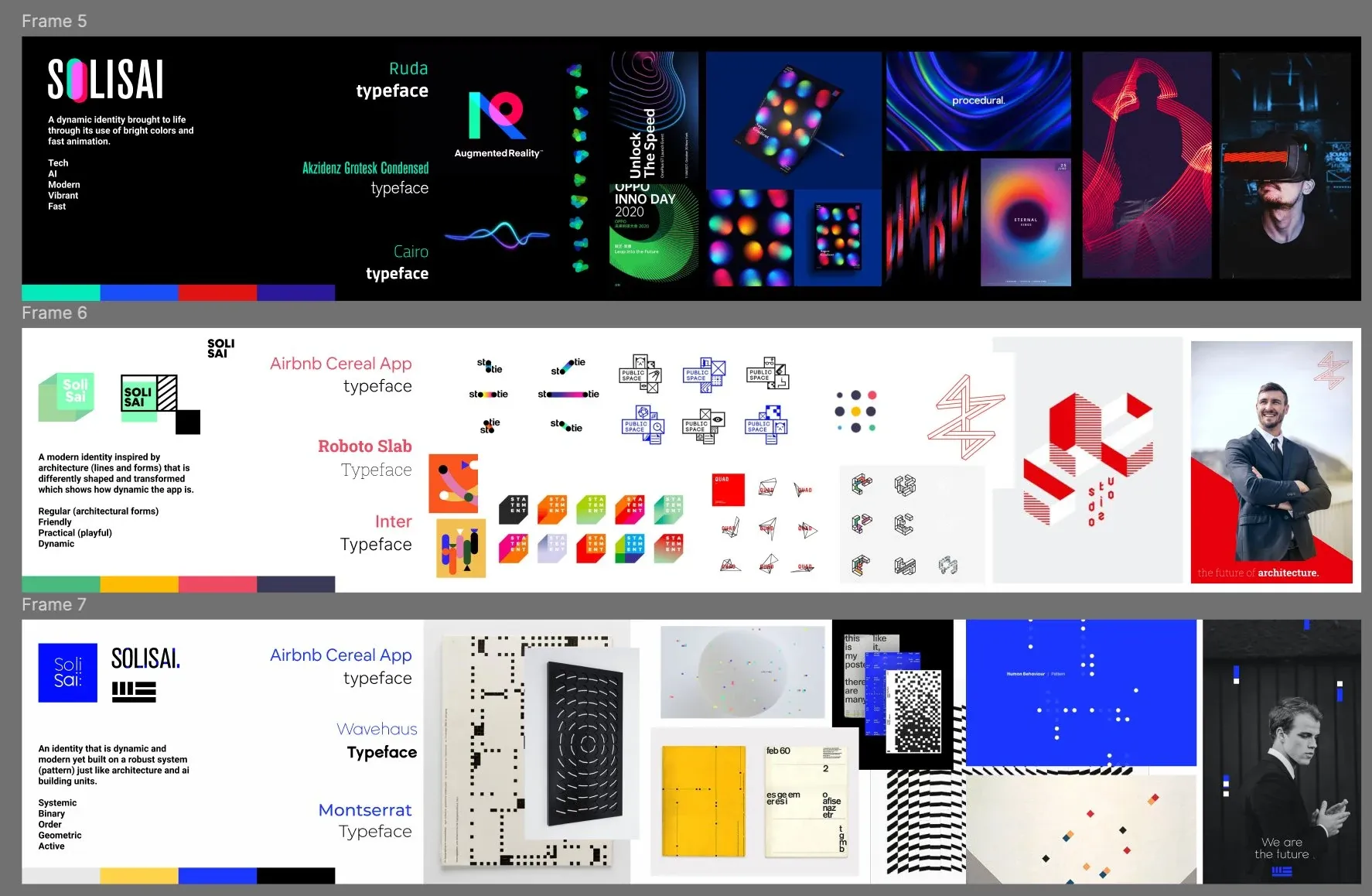
Two strategic calls came out of the research. The first was scope: ship one narrow workflow done deeply, not a generalist tool. The second was identity: Cloud AI-D read as generic SaaS in a category that wasn’t generic SaaS. The product was architectural-AI, and it had to look that way.
I led the rebrand. Three directions were explored under the working name Solisai. One read as consumer AR/VR tech — vibrant, neon, fast — but pulled the brand toward the wrong vertical. A second read as a design agency rather than a product company. The third was systemic, grid-based, Bauhaus-influenced — a tool that builds, architecture meets AI inference. That direction landed. The brand became Conix.

Solution
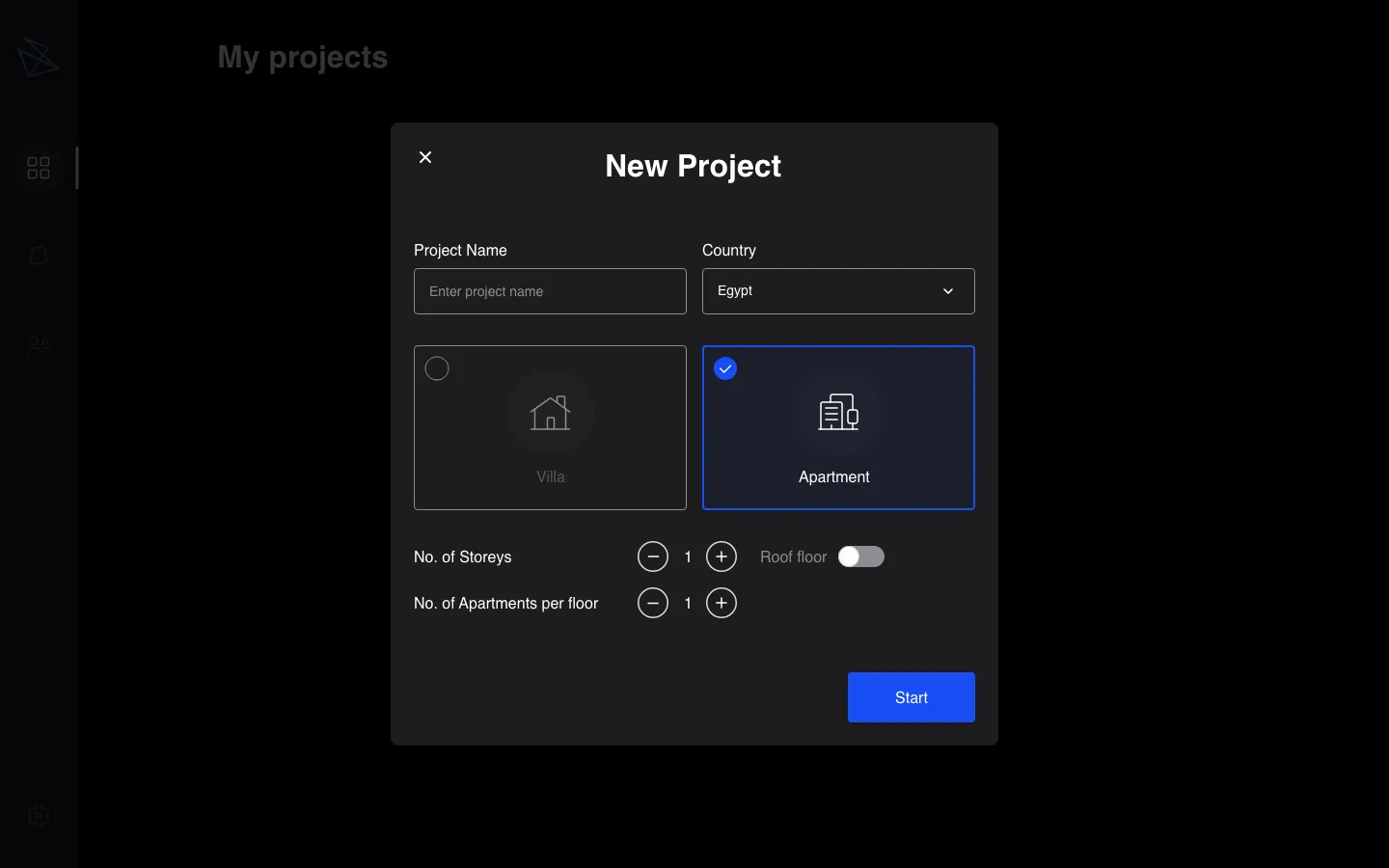
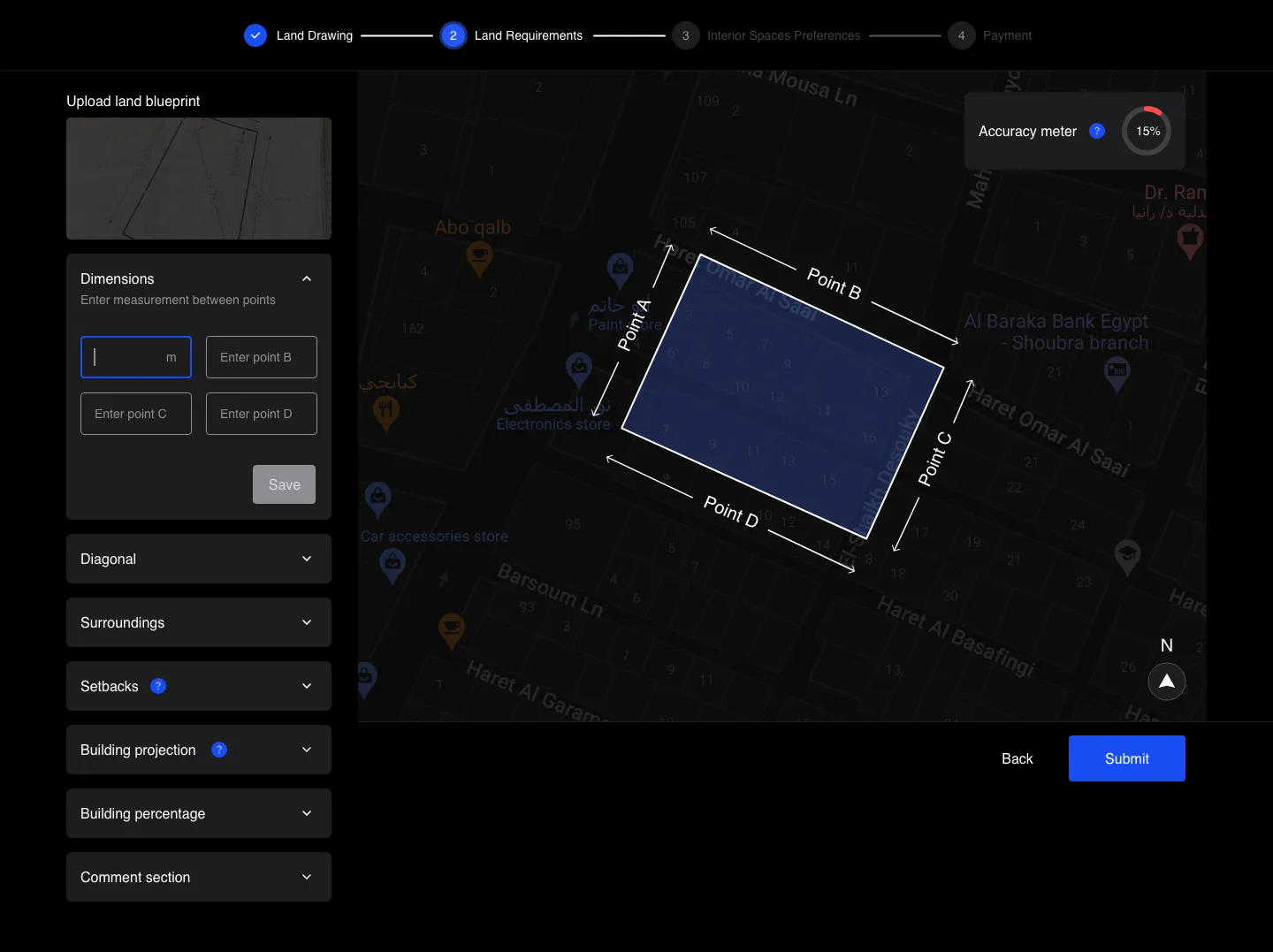
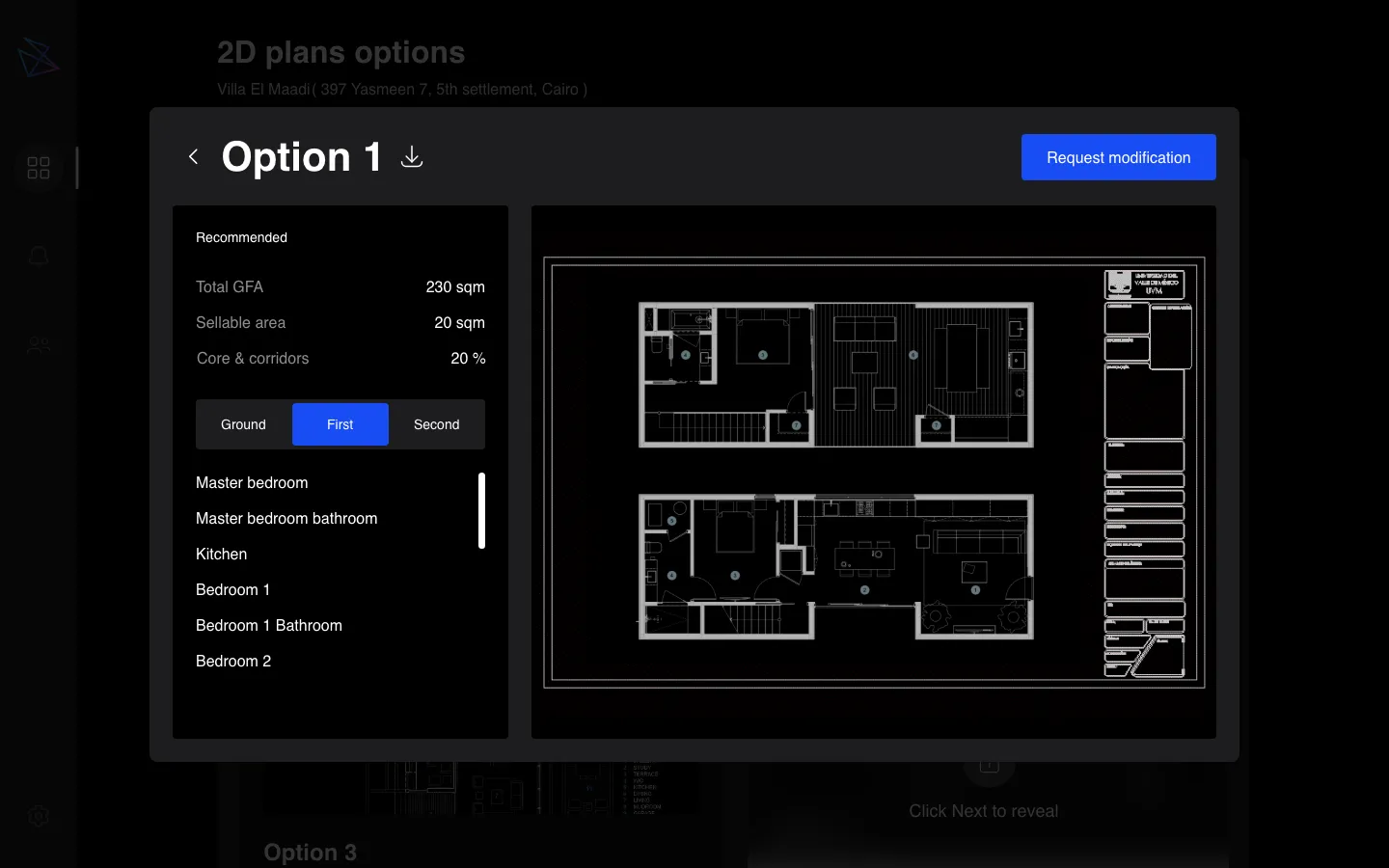
The product took the shape of a canvas with an embedded reasoning layer. The architect worked in the medium they already knew — spatial arrangement, massing, program diagrams — and the system ran evaluation continuously in the background, surfacing violations and suggestions without hijacking the workspace. AI as an always-on second opinion, not as the driver.

Outcome
Conix raised $1.3M in pre-seed capital from firms focused on vertical AI and the built environment, and shipped to paying architecture practices. The product has continued to operate and raise rounds since I stepped back after the 0→1.
Beyond the commercial signal, two things from the work proved durable. The constraint-as-editable-object pattern — treating zoning, GFA, and program rules as live objects the architect can loosen, tighten, and reprioritize — held up under real practitioner workflows. And the human-in-the-loop architecture, where AI generated and a manual architect step refined before output, shipped in vertical AI a year before “human-in-the-loop” was a category anyone was naming.
Reflection
Two things from Conix shape how I think about applied AI now. First, interaction design decides whether a model-centric product earns trust — and trust decides retention. Second, research comes before model work, not the other way around. The best prompt in the world can’t fix a workflow that misunderstands the user’s actual decision.
Evra →
Making ML-driven property valuations legible — by linking every number to the spatial evidence underneath it.